For us, the Thirteen Colonies were the foundation of a new society; today, we want people to learn about New Mexico through them. Today, these Thirteen Colonies are home to a new, active, vibrant, and joyful society. Areas such as Coyoacán, San Ángel, and Roma-Condesa stand out, reminding us that they are still present and continue to be the barometer by which the social rhythm of our culture is measured.
Colonia Juárez
For us, the Thirteen Colonies were the foundation of a new society; today, we want people to learn about New Mexico through them.
Today, these Thirteen Colonies are home to a new, active, vibrant, and joyful society.
Areas such as Coyoacán, San Ángel, and Roma-Condesa stand out, reminding us that they are still present and continue to be the barometer by which the social rhythm of our culture is measured.
Colonia Coyoacán
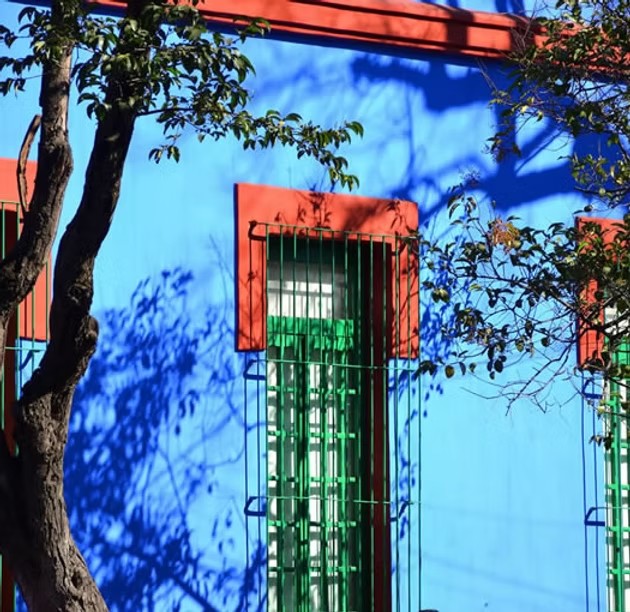
Years before Frida Kahlo died, Diego Rivera asked Dolores Olmedo to turn her house into a museum.
Today you can visit the Blue House, located in the Coyoacán neighborhood, where you can see much of his artwork and learn about his lifestyle during that period.
Colonia Santa María La Ribera
For us, the Thirteen Colonies were the foundation of a new society; today, we want people to learn about New Mexico through them.
Today, these Thirteen Colonies are home to a new, active, vibrant, and joyful society.
Areas such as Coyoacán, San Ángel, and Roma-Condesa stand out, reminding us that they are still present and continue to be the barometer by which the social rhythm of our culture is measured.
Colonia de Tabaco
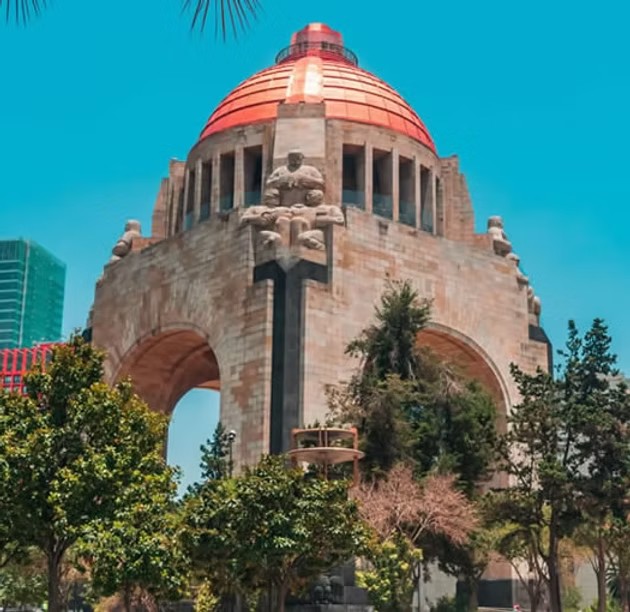
At the end of the Mexican Revolution, one of Mexico City's most iconic buildings was constructed: the Museum and Monument to the Revolution, located in the Tabacalera neighborhood.
Its architecture evokes pre-Hispanic times due to its proportions and geometry, yet it incorporates Art Deco details, an architectural trend of the period.
It is also a mausoleum where the remains of the leading figures of the revolution lie, and best of all, it has an incredible viewpoint from which you can marvel at the landscape.
Colonia Polanco
Polanco is the most cosmopolitan area, with excellent international restaurants, gourmet shops, art galleries, shopping malls, and one of the largest aquariums in Latin America.
Polanco is home to the main museums: the Museum of Anthropology, the Tamayo Museum, the Soumaya Museum, and the National History Museum in Chapultepec Castle, which represent Mexico's protection and pride.
An invitation to luxury, culture, and exclusivity with incredible structures that have a story to tell.
Colonia La Villa
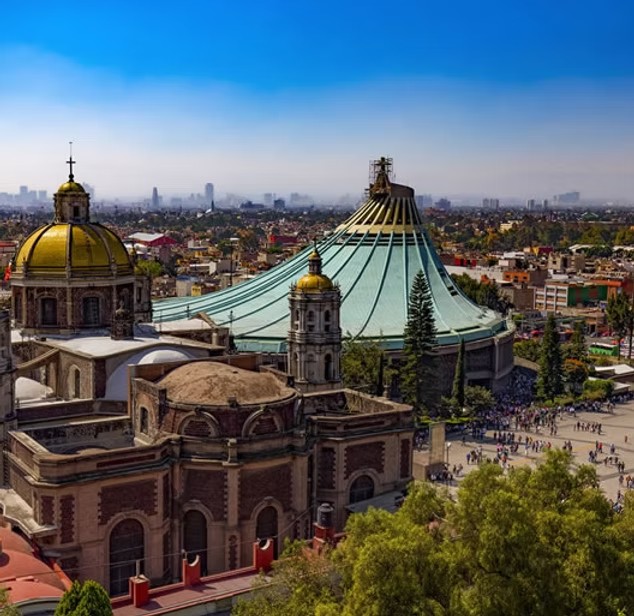
Currently, the Distinguished Basilica of Santa María de Guadalupe in Colonia La Villa, southeast of Mexico City, receives more than 20 million pilgrims annually. Considered the second most visited church in the world, it is proof of the fervor for Guadalupe that characterizes Mexican culture.
Colonia Chapultepec
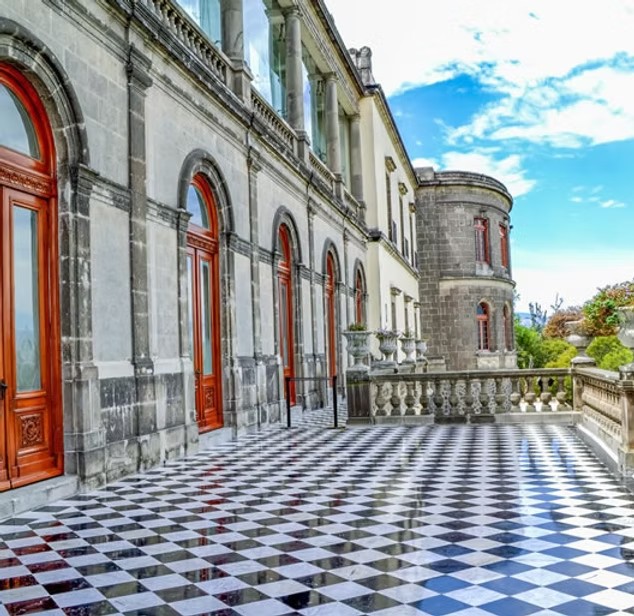
Presidential residence for some time, El Heroico Military College for a long period, including an astronomical observatory, and today the National History Museum.
Chapultepec Castle, located on Chapulín Hill, is home to much of Mexico's history. Large murals and beautiful stained glass windows are just part of its fascinating architecture.
Visit and discover every corner and take in the beautiful view of Mexico City.
Colonia San Ángel
San Angel, once a rural village far from the city, is now a charming neighborhood with cobblestone streets and colonial houses covered in bougainvillea. Cafés with terraces and upscale restaurants line the tree-lined Plaza San Jacinto, and the 17th-century Monastery of El Carmen is now an important museum. The area also offers galleries, popular art markets on Saturdays, and the adjoining houses of Diego Rivera and Frida Kahlo, now a museum.
Colonia Cuauhtémoc
This neighborhood is one of the busiest in Mexico City. Its activity centers on grocery stores, embassies, and the large buildings that dominate Paseo de la Reforma. However, this was not always the case, as there were previously several mansions from the Porfiriato era.
On the streets of the Mississippi River, the Guadiana River, and in Melchor Ocampo Square itself, you can admire buildings designed by Mexican architect and engineer Luis Barragán. However, here you will not only find large skyscrapers, foreign restaurants, and a large number of cars, but you can also appreciate, if you dare to walk through the Cuauhtémoc neighborhood, the Monument to the Mother, the Garden of Art, and the Benito Juárez Theater, among others.
Colonia Centro Histórico
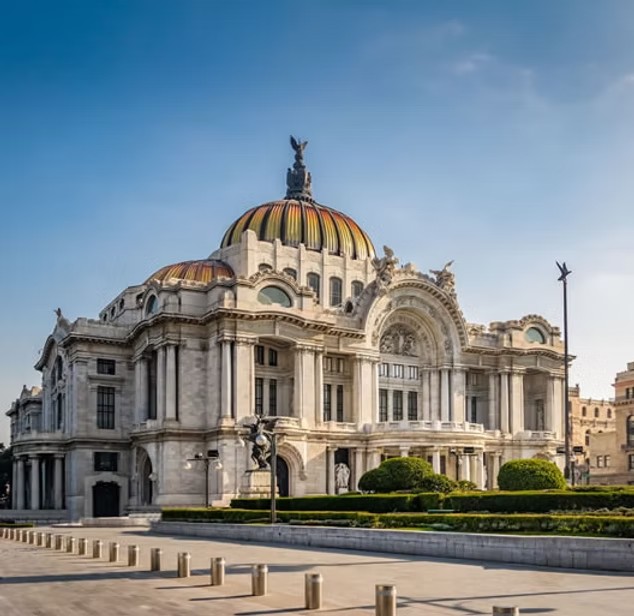
In Manuel Tolsá Square, opposite the National Museum of Arts, stands the equestrian statue of Charles IV, carved from a single piece of bronze by the sculptor who gave his name to the square, which is why it is better known as “El Caballito” (the little horse). Despite having been removed and restored several times, it is now an icon of the city.
Colonia La Roma - Condesa
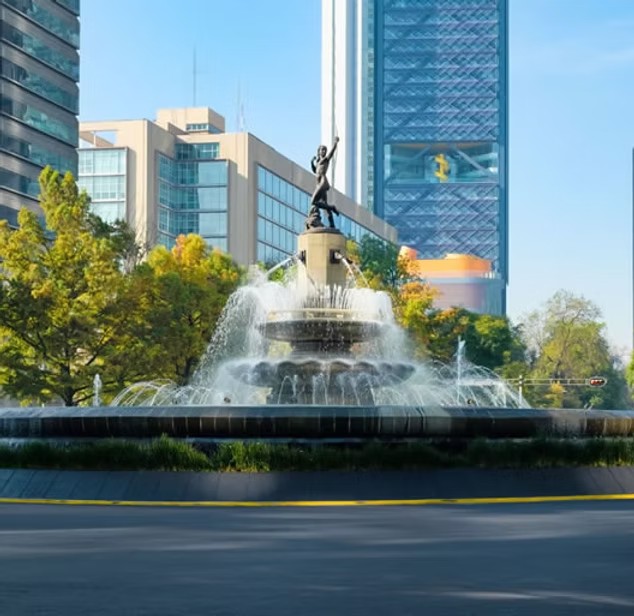
In Rio de Janeiro Square there is a replica of Michelangelo's sculpture David, placed there in 1976 as part of a project to modernize and bring avant-garde style to certain neighborhoods of Mexico City, undertaken by President Porfirio Díaz.
Today, it is one of the most iconic parks in Colonia Roma Norte, where neighbors, dogs, and tourists gather every day.
Colonia Nápoles
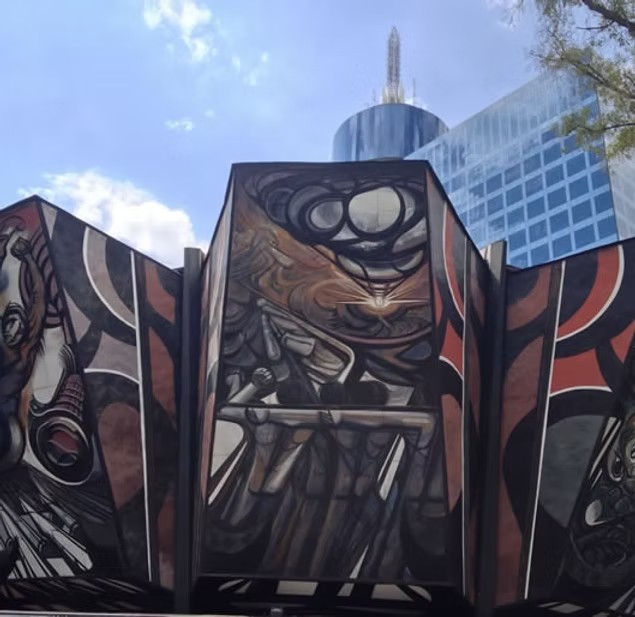
Due to its location, it has become an attractive area for entrepreneurs and boasts urban development projects such as the City of Sports and the 2000 Urban Tourist Center, which includes the World Trade Center (WTC) of Mexico City, home to a revolving restaurant, a shopping mall, and the Polyforum Siqueiros cultural center, where one of the largest murals in the world is located.
Naples is known for its numerous cafés and restaurants, wide streets, cutting-edge commercial growth, and parks, including Parque Hundido and Alameda Naples (Alfonso Esparza Oteo).
Colonia Xochimilco
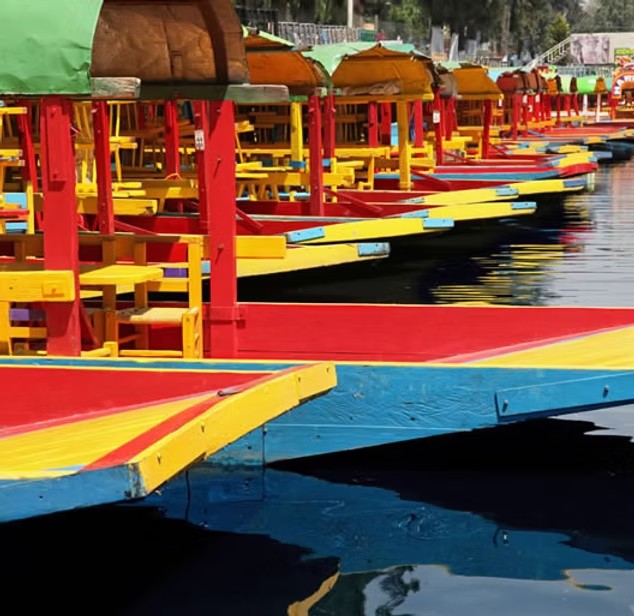
The Xochimilco lagoon has been declared a World Cultural and Natural Heritage Site. It is a place to delight the palate with endless flavors and colors, thanks to its vast history, tradition, and beauty.
A must-see place to visit in Mexico City.
PRODUCTION PROCESSES
Produced in Arandas, in the southern part of the Altos de Jalisco region, in a cold region with clay soils and red earth, where carefully selected agaves are grown for its production.
Debe tener la edad legal para beber en su país respectivo para participar. Al ingresar, acepta nuestros términos de uso además de nuestras políticas de privacidad y cookies. Estamos comprometidos a detener el consumo de alcohol entre menores de edad y fomentar el disfrute responsable de nuestros productos.